
I'm one of those people with a special soft spot for so-called walking simulators. There's something very appealing about diving into a story for a few hours, exploring a world at your own pace, and reaching the end of an experience in a single afternoon. When I started playing Return to Grace, I honestly thought I had found another one of those hidden little gems. Unfortunately, despite some good ideas, it failed to live up to the expectations it created in its opening moments.
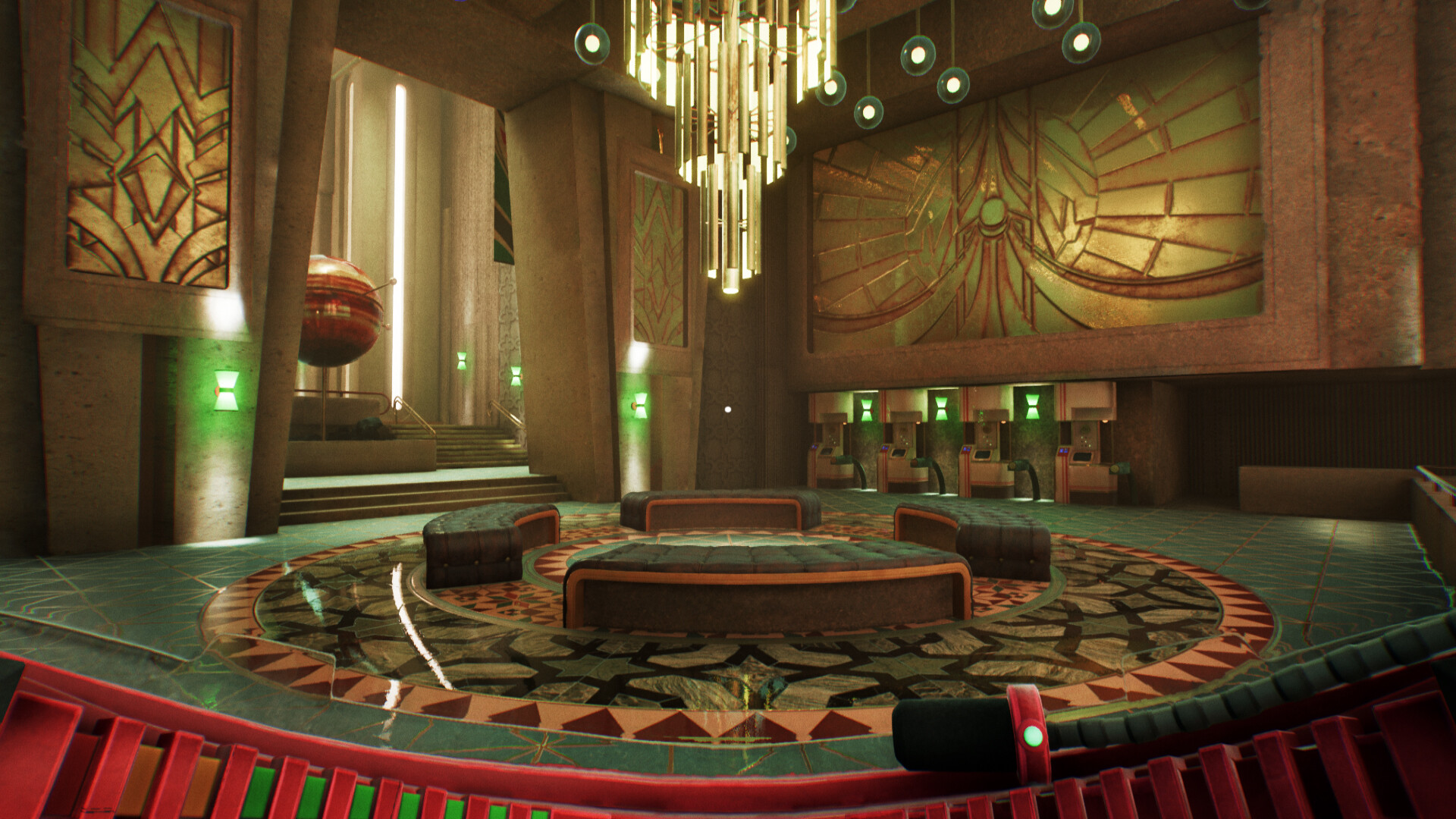
The premise is immediately interesting. In a distant future, we embark on a mission connected to Grace, an artificial intelligence that played a fundamental role in humanity's history. What caught my attention the most from the start was the fact that the game sidesteps one of science fiction's most overused clichés. Instead of presenting AI as the story's great threat, Return to Grace seeks to explore a different approach — something that brought a certain freshness to the narrative.
The problem is that all this promising groundwork never truly gets developed to its full potential. The story moves too quickly, and several of its most interesting ideas are presented without the time needed to have the desired impact. As the credits grew closer, I was constantly left with the feeling that there was much more to explore in that universe and in those characters. The result is a narrative that entertains but will hardly leave a lasting mark.
The choices we make along the adventure have some influence on events and help create a sense of active participation in the story. Although they don't radically transform the experience, they give the narrative a slight degree of personalization. The puzzles, in turn, do their job without major issues. They're accessible and intuitive most of the time, allowing the adventure's pace to stay fluid. Even so, there are moments when they seem inserted merely to justify the gameplay, ending up feeling a little artificial within the narrative's context.
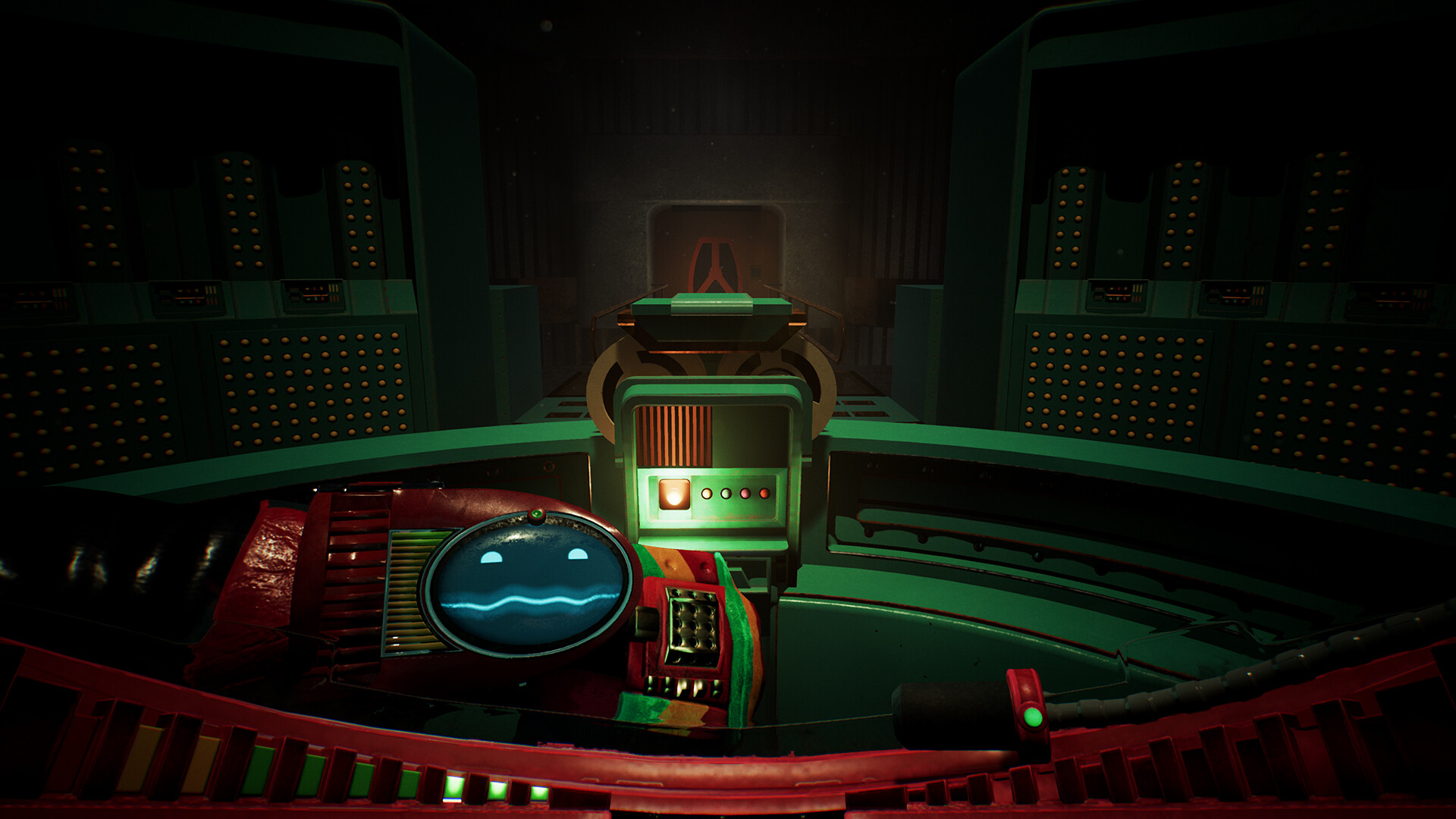
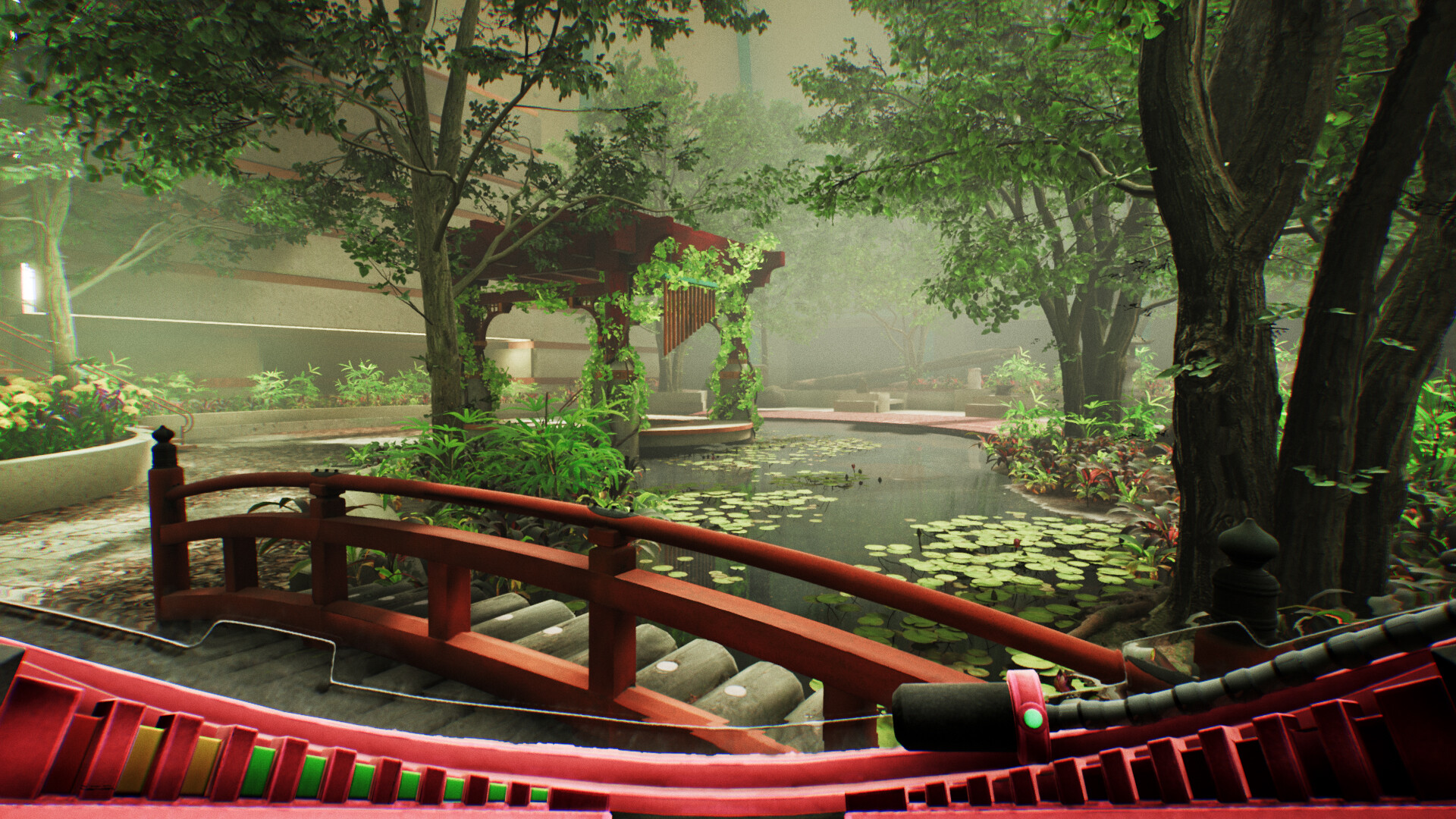
On the visual side, Return to Grace presents competent work, without ever reaching a truly memorable level. There are some very pleasant locations to explore, and a few settings effectively convey the sense of discovery and isolation characteristic of science fiction. However, there are also several areas that seem to lack greater detail and personality, keeping the game's world from truly standing out among other genre experiences.
Perhaps the biggest problem is precisely that contrast between what the game promises and what it actually delivers. During the first hour, I felt I was facing an adventure capable of surprising me and of tackling interesting themes in a striking way. As the narrative progresses, however, that expectation gradually fades, giving way to an experience that never quite reaches the level it seemed capable of.
Return to Grace is not a bad game. Far from it. It has good ideas, an interesting premise, and a few genuinely pleasant moments. However, it ends up belonging to that category of titles I really wanted to like more — an experience that starts out full of potential but ends with the feeling that it lacked the depth, the ambition, and the time to develop everything it had to offer.
out of 10
Pros
| Cons
|
Game Return to Grace Released 2023 Available on PC · Xbox One · Xbox Series X|S Reviewed on Xbox Series X|S |  Cover: IGDB |
| PL | Pedro Lopes Writer · Portugal |
A games writer from Portugal running on a highly irresponsible amount of coffee — his blood type is officially "espresso". He has been a content creator at Lisbon Games Week, a jury member at Over & Out ’25 and an attendee of DevGAMM Lisbon 2025 (mostly for the free coffee). He has a Pac-Man tattoo on his finger, which contractually obliges him to chase ghosts forever.