
Every genre carries its own reputation barrier — too hard, too long, too weird, your cousin was mean about it in 2009. Almost all of those barriers are imaginary. These nine are the friendliest on-ramps we know: start here, become fluent by the credits, spend the rest of your life wondering why you waited.
One game per genre; zero gatekeeping allowed.
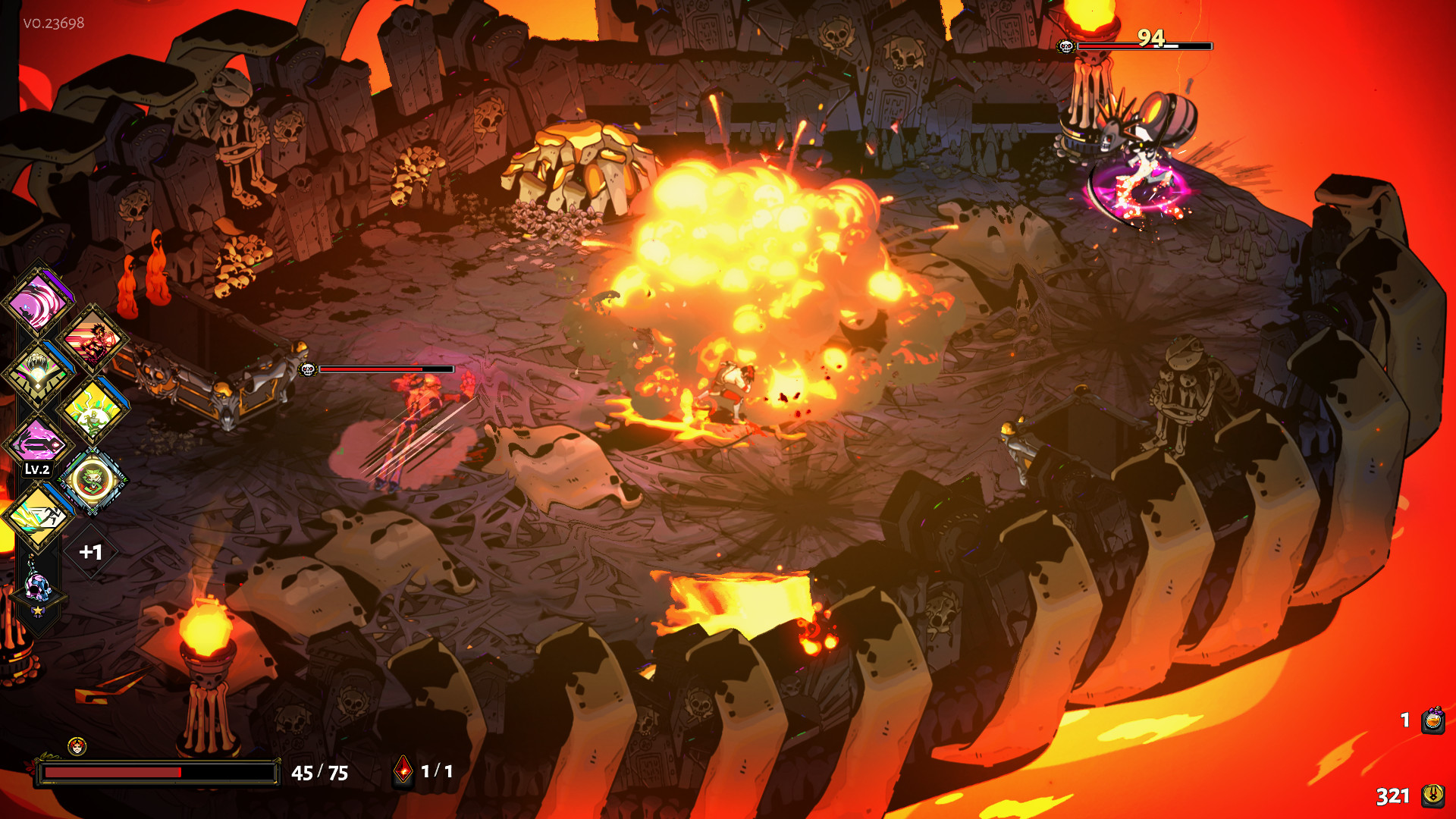
The genre where dying is the point, taught by the king itself. Supergiant's masterpiece wraps every escape-attempt death inside a moving story — Zagreus learns, his family unpacks generations of resentment between attempts, and you wake from the Pool of Styx already armed with bosses who now feel like old friends. Roguelikes are about repetition becoming storytelling, and Hades is both the most elegant argument and the friendliest teacher. Start anywhere; end up reading tier lists at 2 AM regardless.
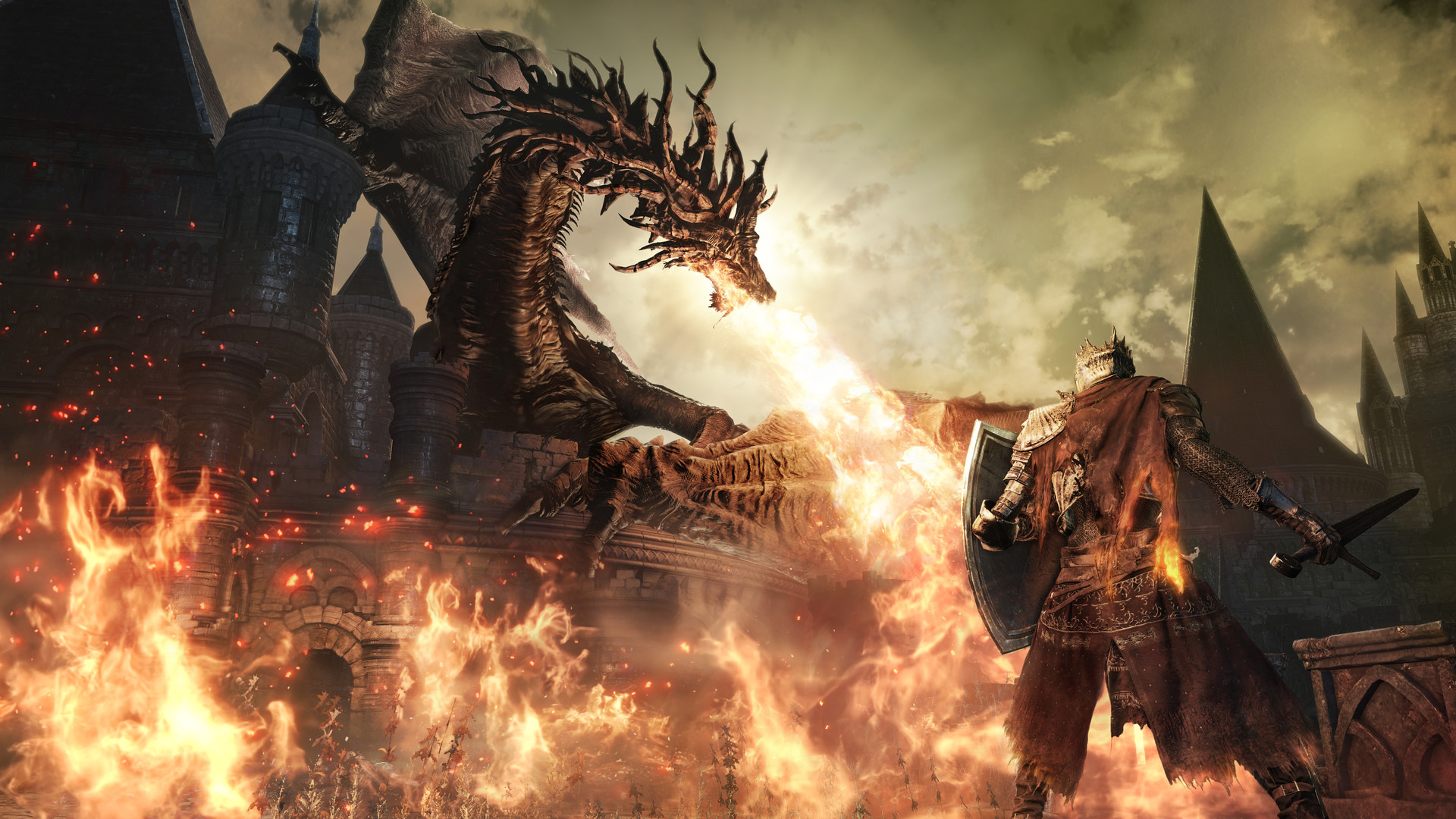
The most welcoming FromSoftware game is still a boot camp — but a scrupulously fair one. Dark Souls III distills the entire 'be patient, learn the bowstring, none of this is out to get you' curriculum into a streamlined pilgrimage from the Cemetery of Ash to Lothric Castle. Its forgiving landing strips (short bonfire distances, generous invincibility rolls early on) mean souls-curiosity is actually approachable here — master this and the whole sub-genre stops feeling like translation work. Praise the sun and commit.
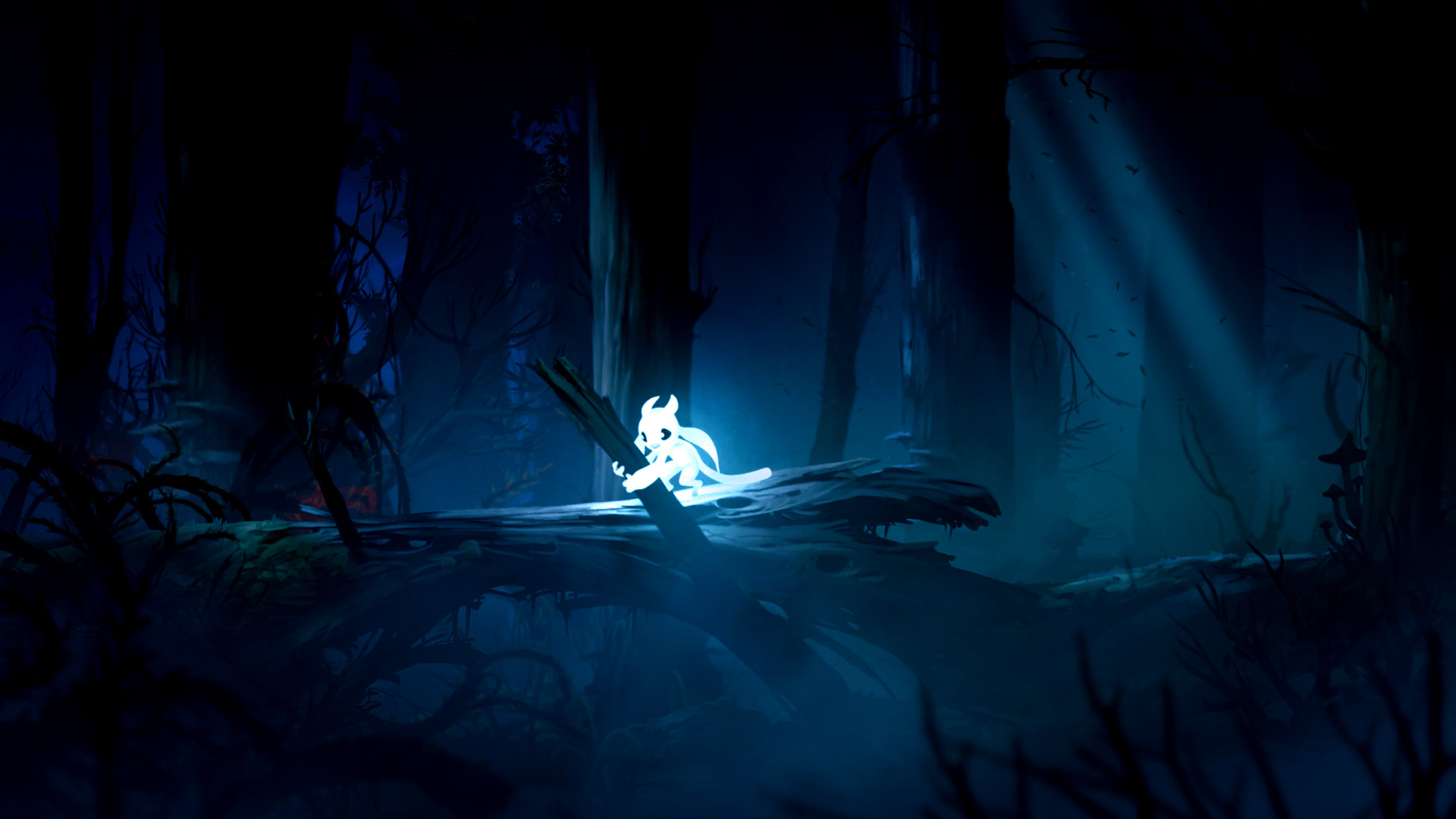
Gorgeous, generous with checkpoints, and platforming tuned to feel like silk. Moon Studios' definitive edition of the original Ori is the conventional starting point for good reason: Metroidvania structure clearly demonstrated, visual beatitude at Ghibli levels, combat upgrading alongside heart-wrenching forest fairy business. It looks soft, but it holds real teeth in exactly the quantity new players want — difficult well-tuned enough to teach the genre without insulting the player. Spirit Trees please advise: bring tissues either way.
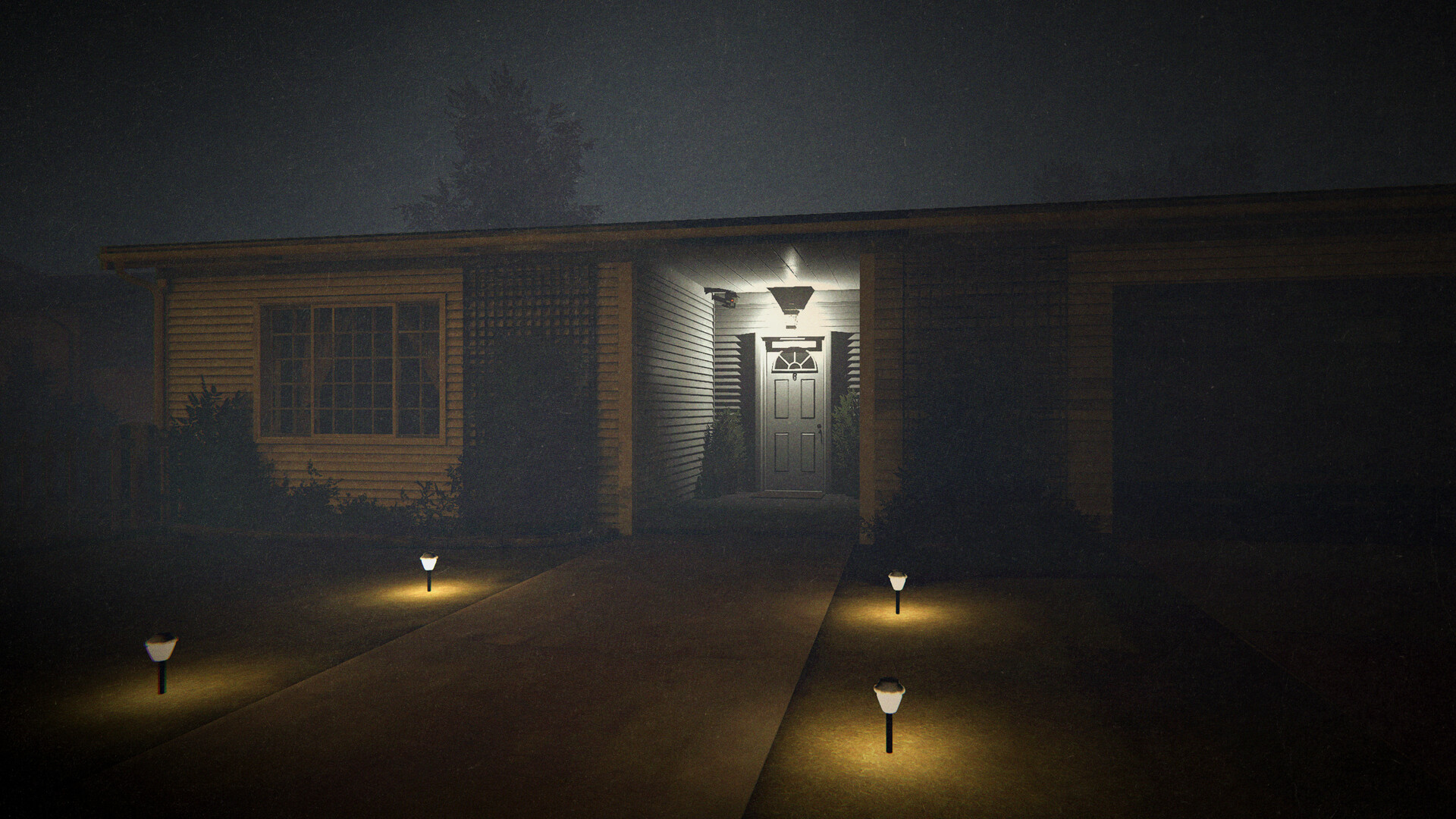
Horror with friends is horror with training wheels: four players, one haunted house, endless screaming into microphones while ghost identification slowly becomes your team's supernatural vocabulary. Kinetic's ghost-hunting smash remains the cleanest possible 'yes but I don't do scary games' conversion — share the fear, then laugh at what you just screamed at. Endless investigations add graph depth if you stay; the first haunted farmhouse will convince you in twenty minutes. The fear goes down easy with company. Friends needed, candles optional.
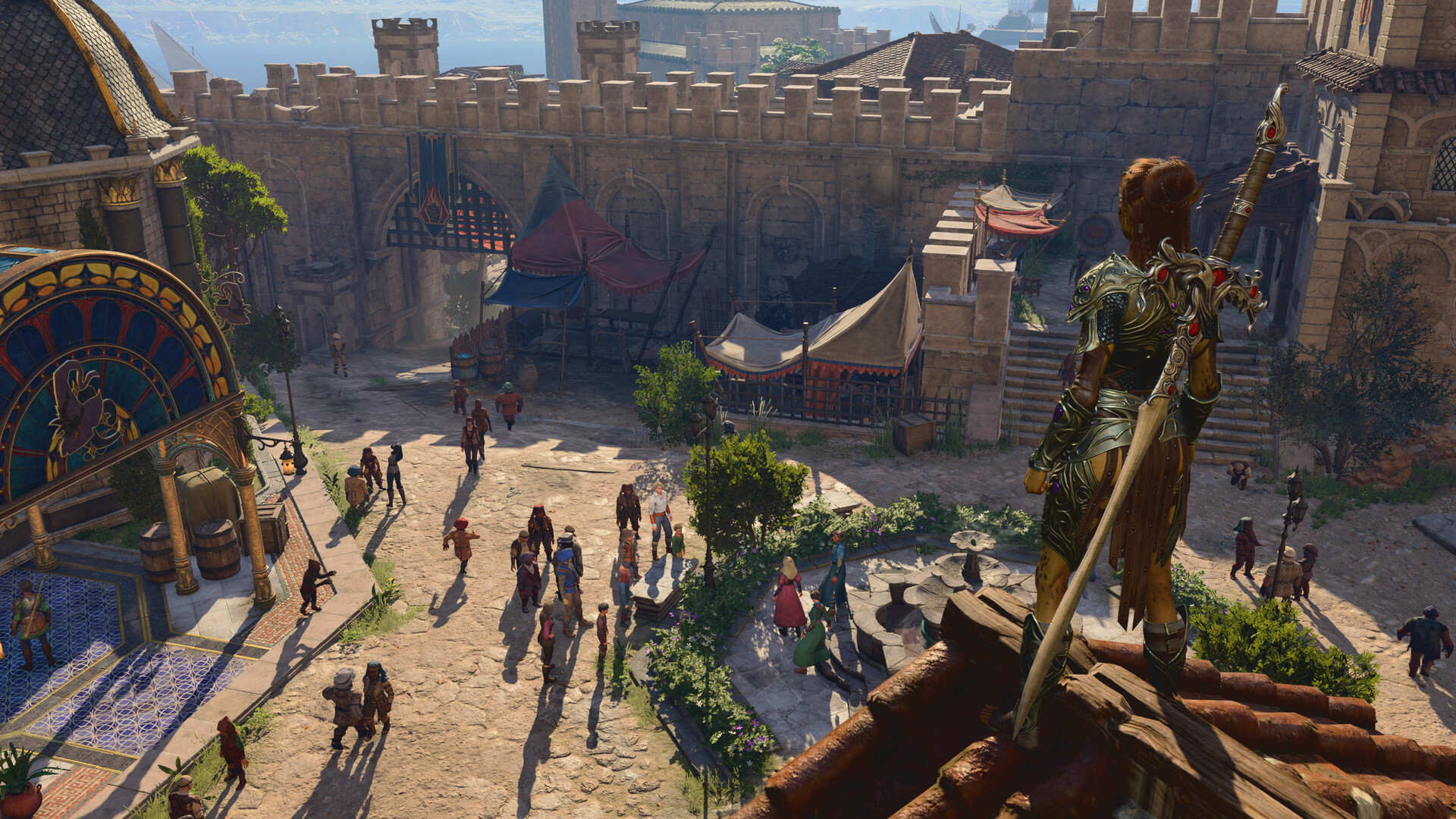
Don't at us: the most intimidating genre's best entry point is also just the best game, period. Larian built systems so meaty that even spreadsheet REFUGEES wind up theorycrafting before act one's over — and then kindly gives you an encounter-out social interaction button that lets almost anyone talk out of violence. The class/RPG depth exists if you research it; the generosity exists even when you don't. Best-games-list regular, fan-fiction industry semi-official universe, still probably the one CRPG anyone can join without homework first.
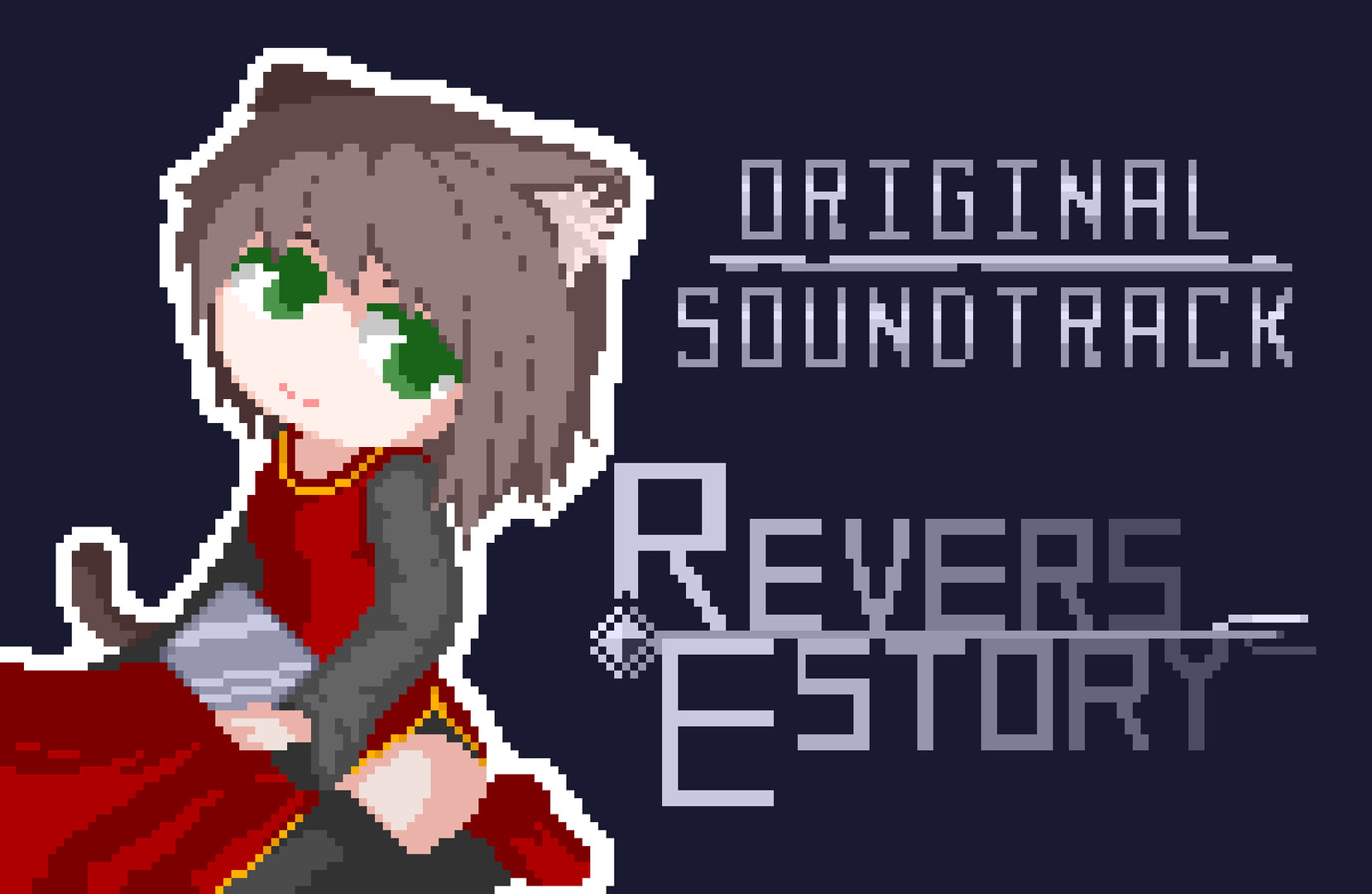
Farming, fishing, mining, dungeon-delving and four-season romance loops in the prettiest pixel art of this decade. Mistria presses the comfort demands Stardew first invented into an anime fairy-tale rendition that feels grown from classic Harvest Moon stock: generous starter dialogue, no pressure pacing, a town you build up visibly. It's the warmest possible way to check whether farm-sim life is for you, at whatever level of ambition you brought — work the fields, or just work the round-the-fire conversation.
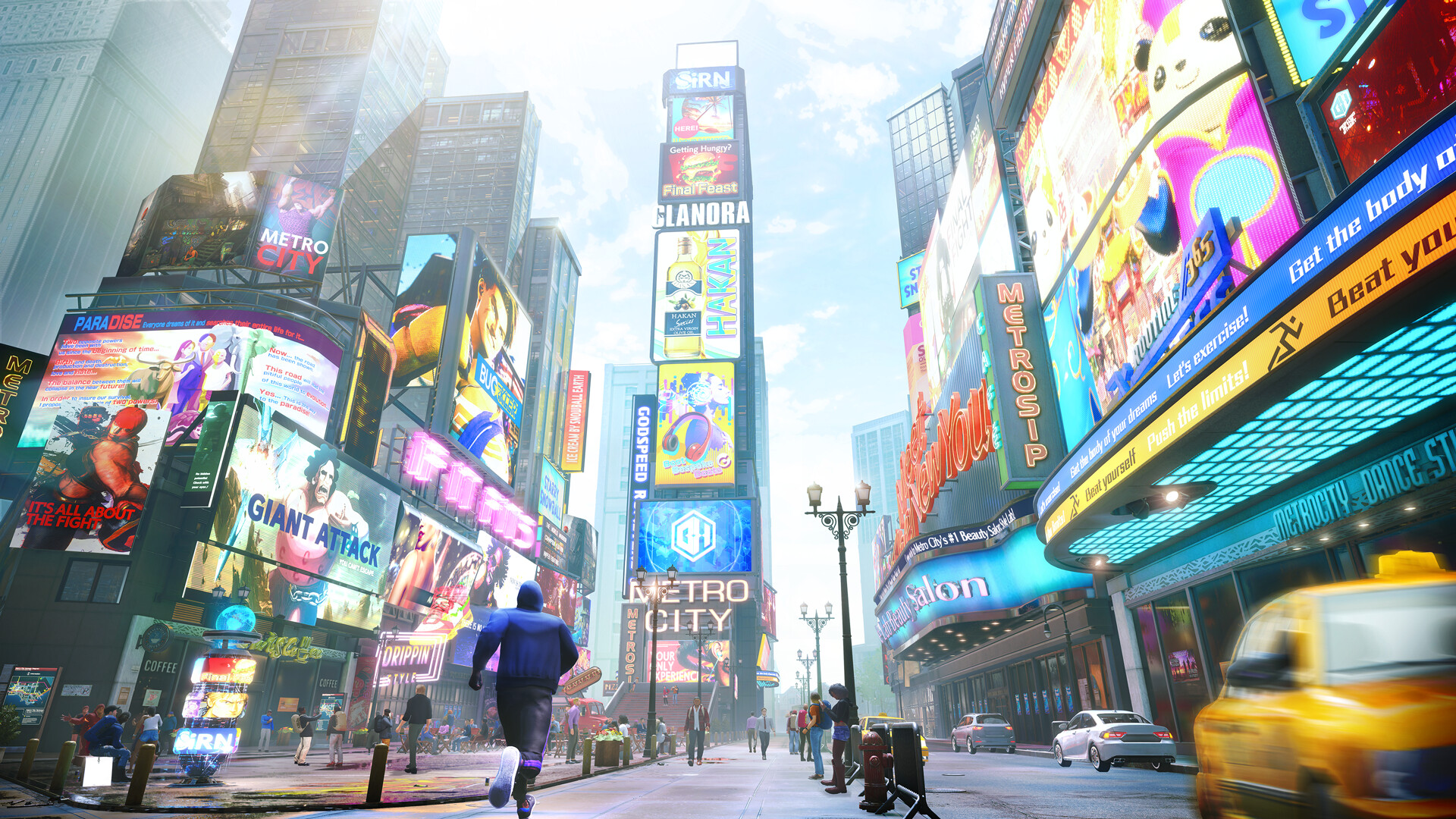
Modern controls removed quarter-circle gatekeeping: anybody can throw a Hadoken by pressing forward and the punch button. Capcom's fighting flagship wraps onboarding around a World Tour story-career that is genuinely a fun place to learn your mechanics — and now with Tifa on the way for Year 4, the rosters have never felt this welcoming. Competitive fighting is daunting; treating SF6 as Saturday night FUN is not. Begin here and you'll be HD-remixing your first perfect K.O. in ninety days.
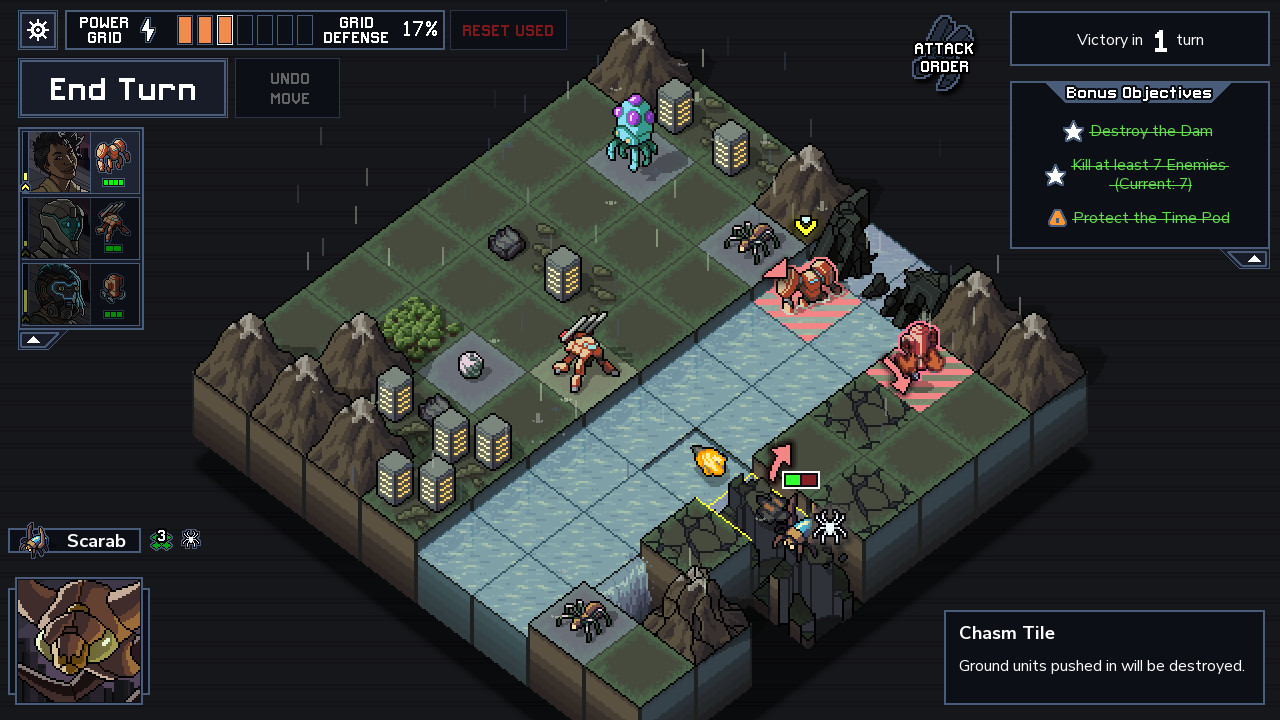
Chess with mechs on eight-by-eight grids, with perfect information rendering every loss your fault. Subset's micro-tactics masterpiece shows the whole genre inside ten-minute bites — clear enemy intent, push-pull-bash drama, civilian casualties as missions-fail stakes. No gestation period required: the systems announce themselves with conviction and every defeat argues a well-formed moral. Play a campaign, learn what tactics games 'are', and take your education occasionally towards Advance Wars or Triangle Strategy afterwards. You can't be too prepared.
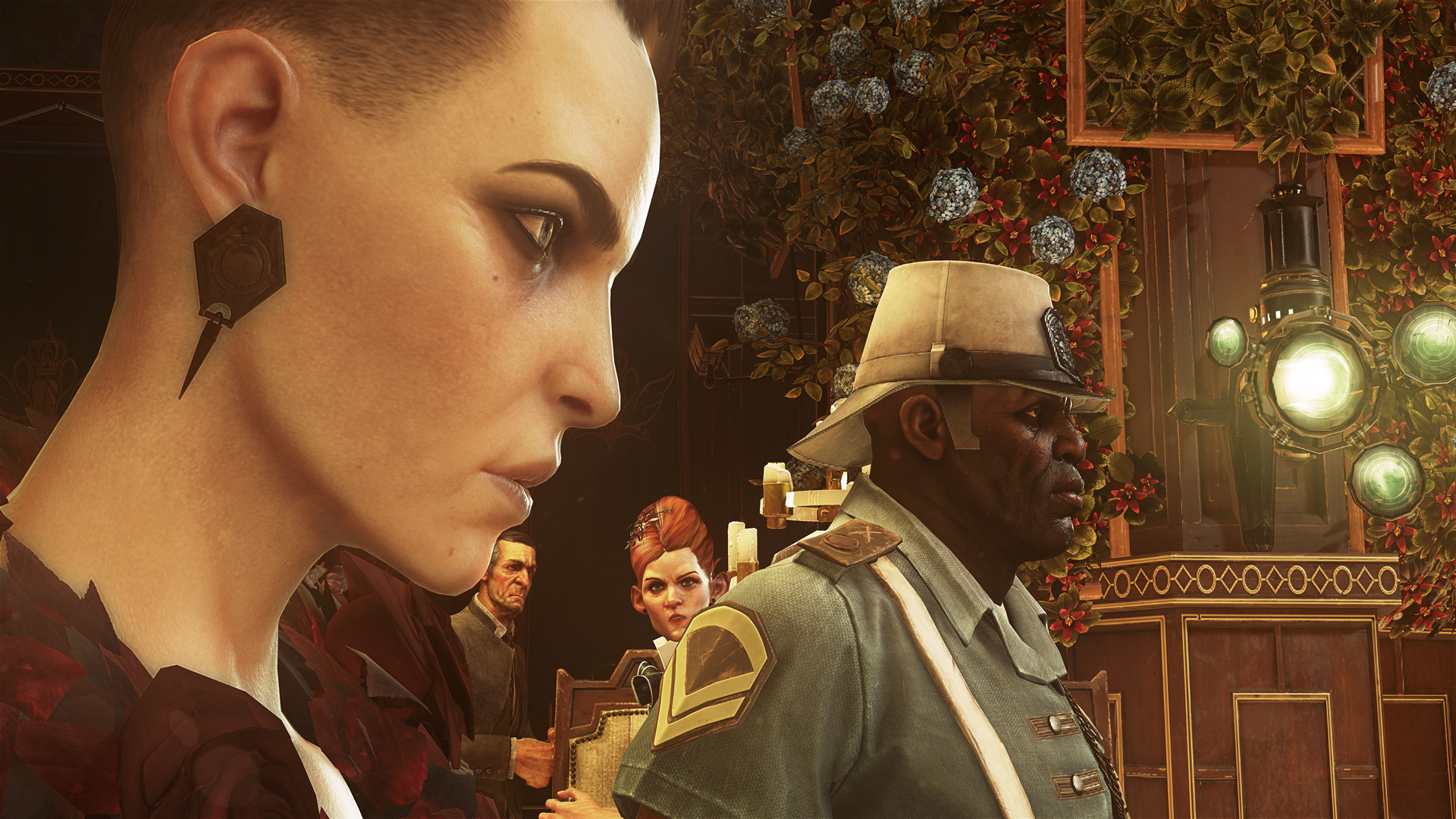
The 'there are twelve ways into that building' genre at its most attractive: blink across a rooftop, possess a rat, dump a guard in a locked water closet or politely three-star the finale without killing anyone at all — all fidelity welcome. Arkane's supernatural sandbox is an immersive sim whose playgrounds practically beg experimentation, meaning newcomers often catch on that the genre is just permission to be clever several hours before even opening the full skill wheel. The movie-stylish Dunwall/Karnaca drama package only sweetens each approach.
One game per genre, zero gatekeeping, citizens graduating. Welcome to nine new obsessions; tier lists sold separately in the comments.