
Inside was one of the games that reminded me of the time when I started looking beyond the big AAA releases and discovering the enormous potential of the indie universe. I was about 16 or 17 when I first played Limbo, and I was immediately fascinated by how a seemingly simple game could create such a striking atmosphere. Curiously, only now, many years later, have I finally gotten around to Inside, the spiritual successor to that Playdead work.
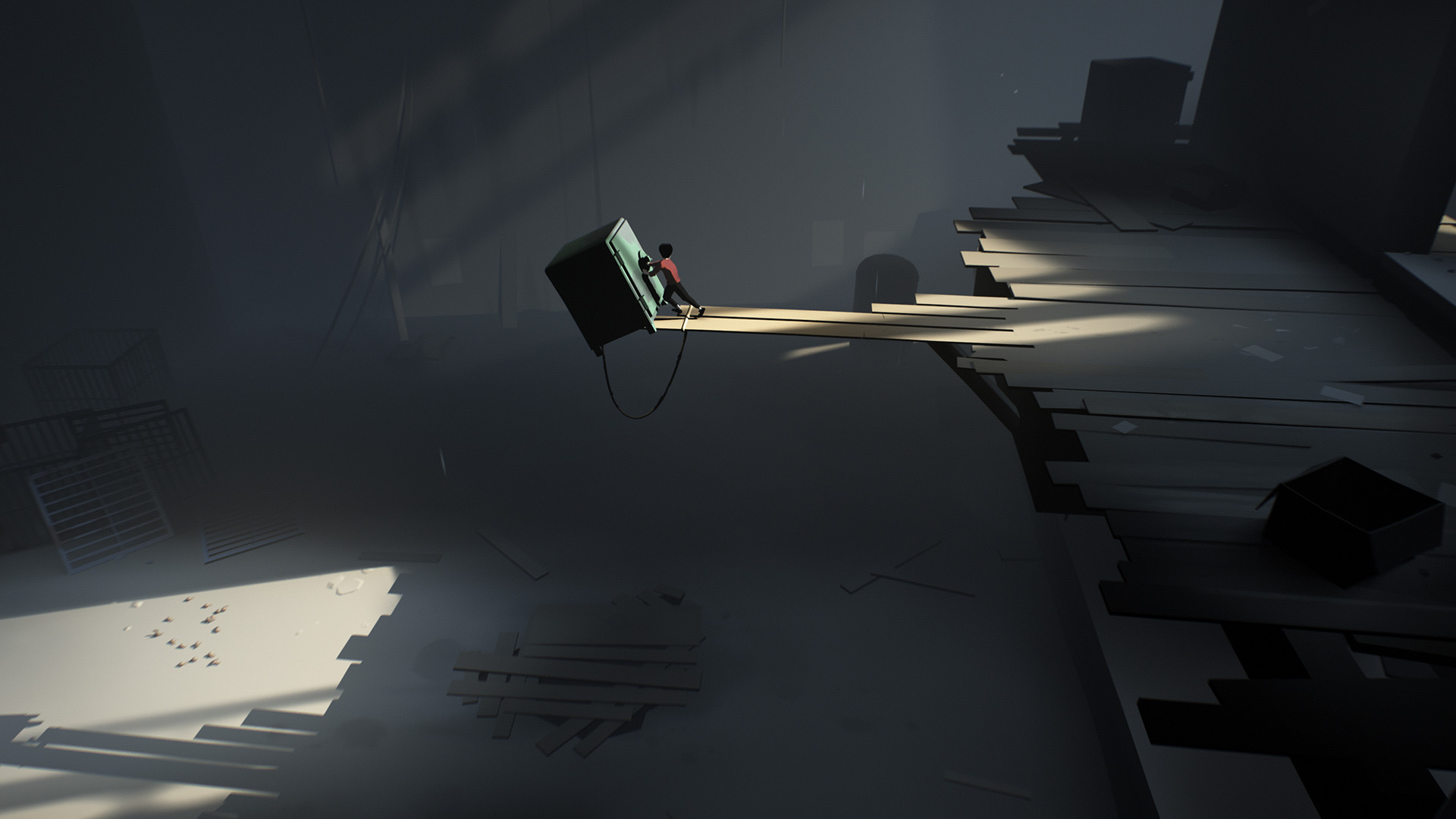
The truth is it took only a few minutes to understand why this game is still so highly praised so many years after release. Inside is a short but absolutely memorable experience, built around an atmosphere of constant suspense that rarely gives you room to breathe. From the very first steps to the final moments, there's a permanent feeling of discomfort and unease that keeps you completely absorbed by the adventure.
The world created by Playdead is simply extraordinary. Every setting seems to carry a story of its own, conveying a sense of oppression and mystery without needing dialogue or long explanations. Inside's world is dark, strange, and deeply disturbing, yet at the same time it sparks an almost irresistible curiosity. We constantly want to know what happened in that place and what the true meaning of the events we witness is.
Suspense is, without a doubt, one of the game's greatest strengths. There are numerous moments when we're unexpectedly chased or placed in situations of imminent danger that significantly raise the tension. Although it never resorts to traditional horror or cheap scares, Inside manages to keep us constantly nervous, eyes glued to the screen, with that permanent feeling that something terrible is about to happen.
The narrative follows an approach similar to Limbo's, being told almost exclusively through the environment, the events, and the puzzles themselves. There are no direct explanations or easy answers, which allows every player to interpret the story differently. It's precisely that ambiguity that makes the experience so interesting — and that continues to fuel discussions and theories years after release.
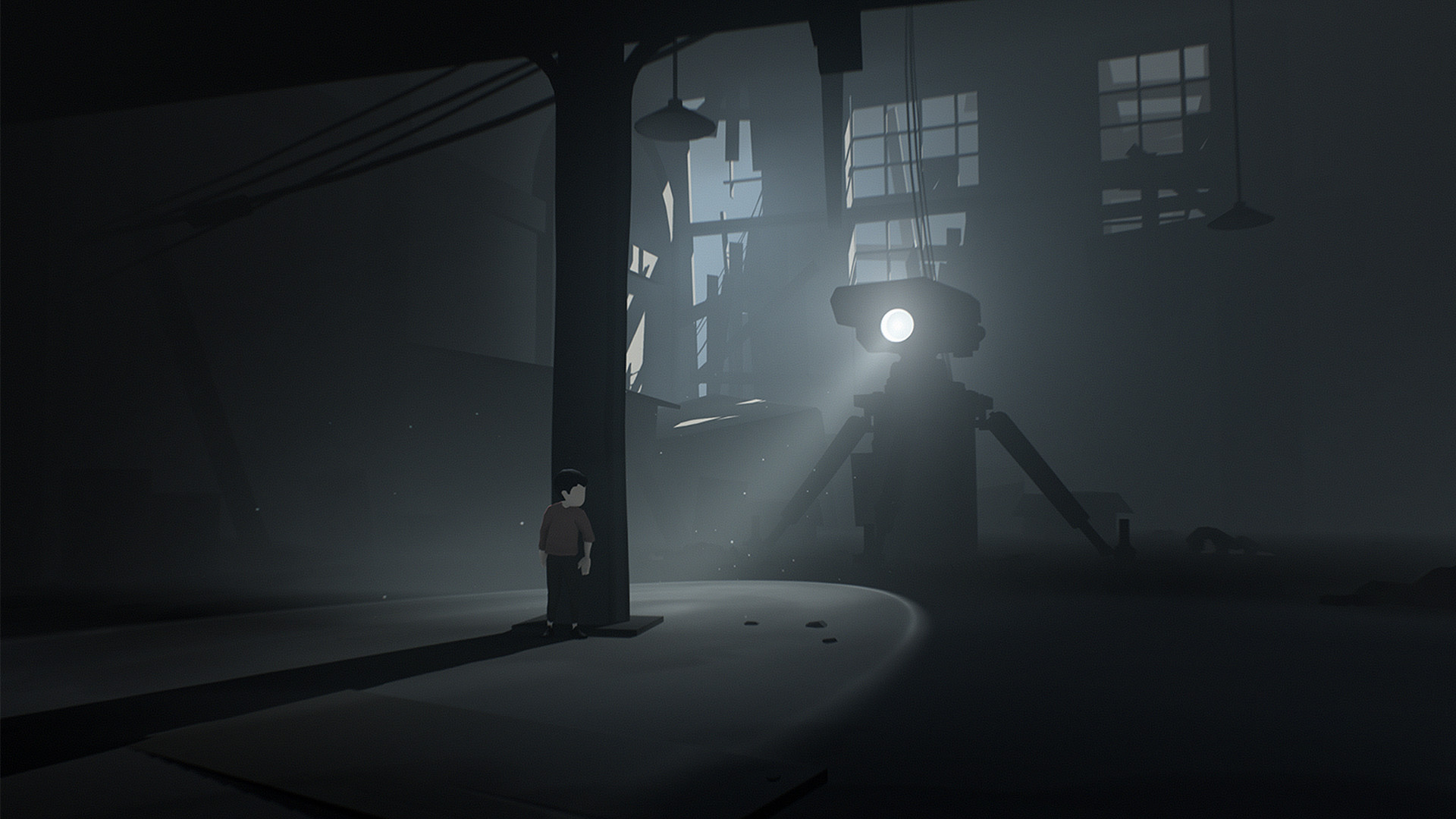
The gameplay was also a pleasant surprise. The controls are extremely responsive, and the puzzles present an excellent balance between challenge and accessibility. Unlike what I felt at certain points in Limbo, I never had the sensation of being stuck due to excessively obscure or frustrating solutions. Every obstacle seems carefully designed to test our logic without compromising the adventure's pace.
After finishing the game, I did what I usually do whenever I find a narrative this open to interpretation: I dove into the community's theories. That's when I discovered something that surprised me quite a bit. Even after so many years without a new Playdead release, the community remains incredibly active, discussing hidden meanings, symbolism, and possible interpretations of Inside's events. It's impressive to see the lasting impact a game of this size managed to have on its fans.
In the end, Inside turned out to be everything I expected — and perhaps a little more. It's an experience that proves video games don't need lengthy dialogue, gigantic worlds, or million-dollar budgets to leave a profound mark. With a fantastic art direction, an unforgettable atmosphere, and a narrative that keeps provoking reflection long after the final credits, Inside is one of those games that fully justify the reputation they've built over the years.
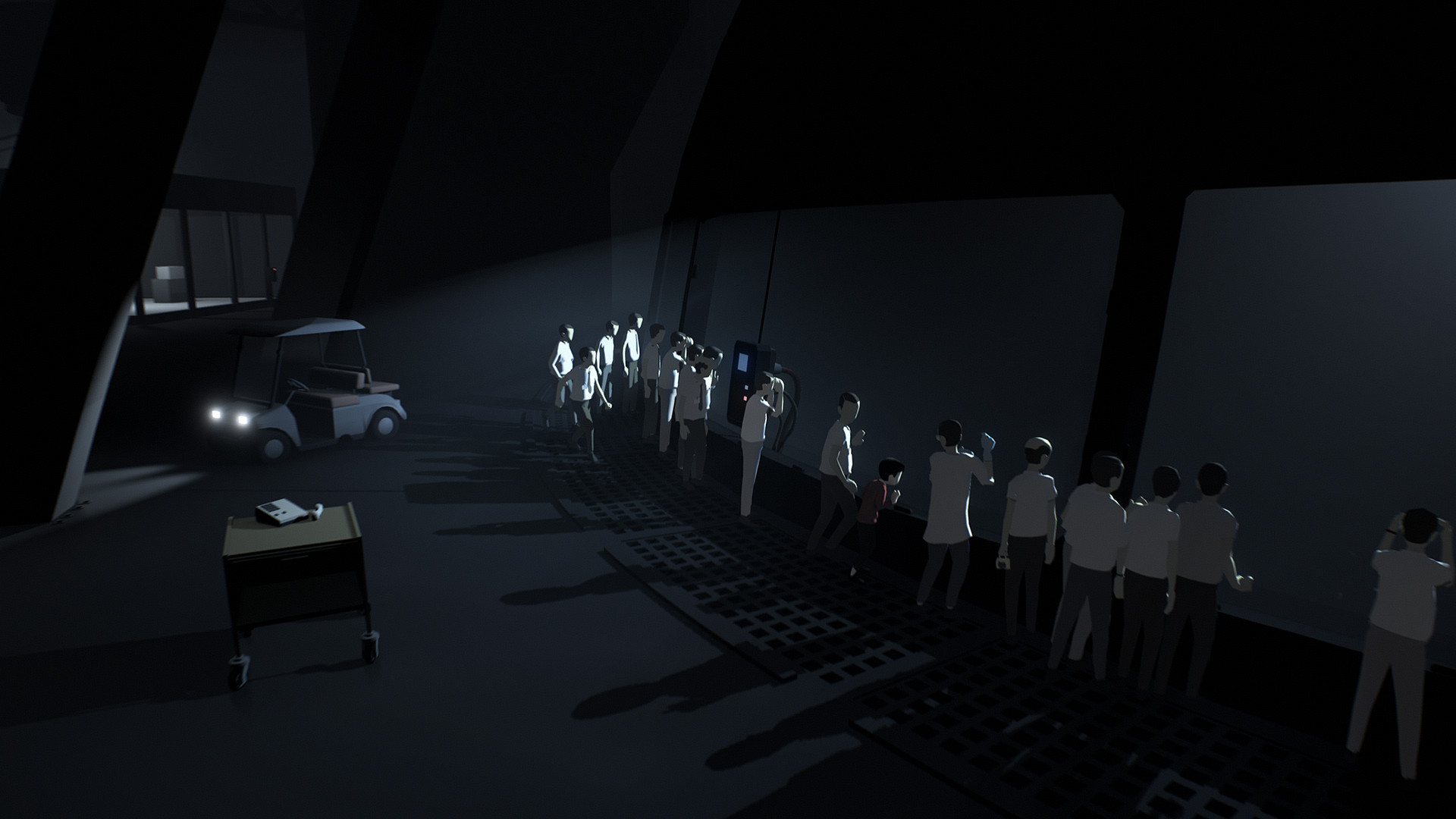
Now that I've finally played it, I can say I perfectly understand why it's still considered one of the great works of the modern indie scene.
out of 10
Pros
| Cons
|
Game Inside Released 2016 Available on PC · PlayStation 4 · Xbox One · Nintendo Switch · iOS Reviewed on Nintendo Switch | 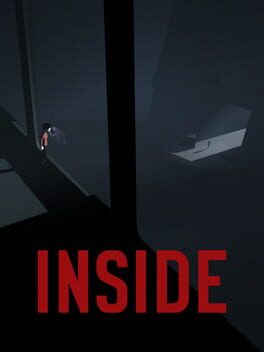 Cover: IGDB |
| PL | Pedro Lopes Writer · Portugal |
A games writer from Portugal running on a highly irresponsible amount of coffee — his blood type is officially "espresso". He has been a content creator at Lisbon Games Week, a jury member at Over & Out ’25 and an attendee of DevGAMM Lisbon 2025 (mostly for the free coffee). He has a Pac-Man tattoo on his finger, which contractually obliges him to chase ghosts forever.