
Little Nightmares is one of those rare experiences that manages to leave a lasting mark without relying on long dialogue, elaborate cutscenes, or constant explanations about what's happening. From the very first minutes, the game plunges us into a disturbing, uncomfortable, and mysterious world, where every corridor, every shadow, and every creature seems ripped straight out of a childhood nightmare.
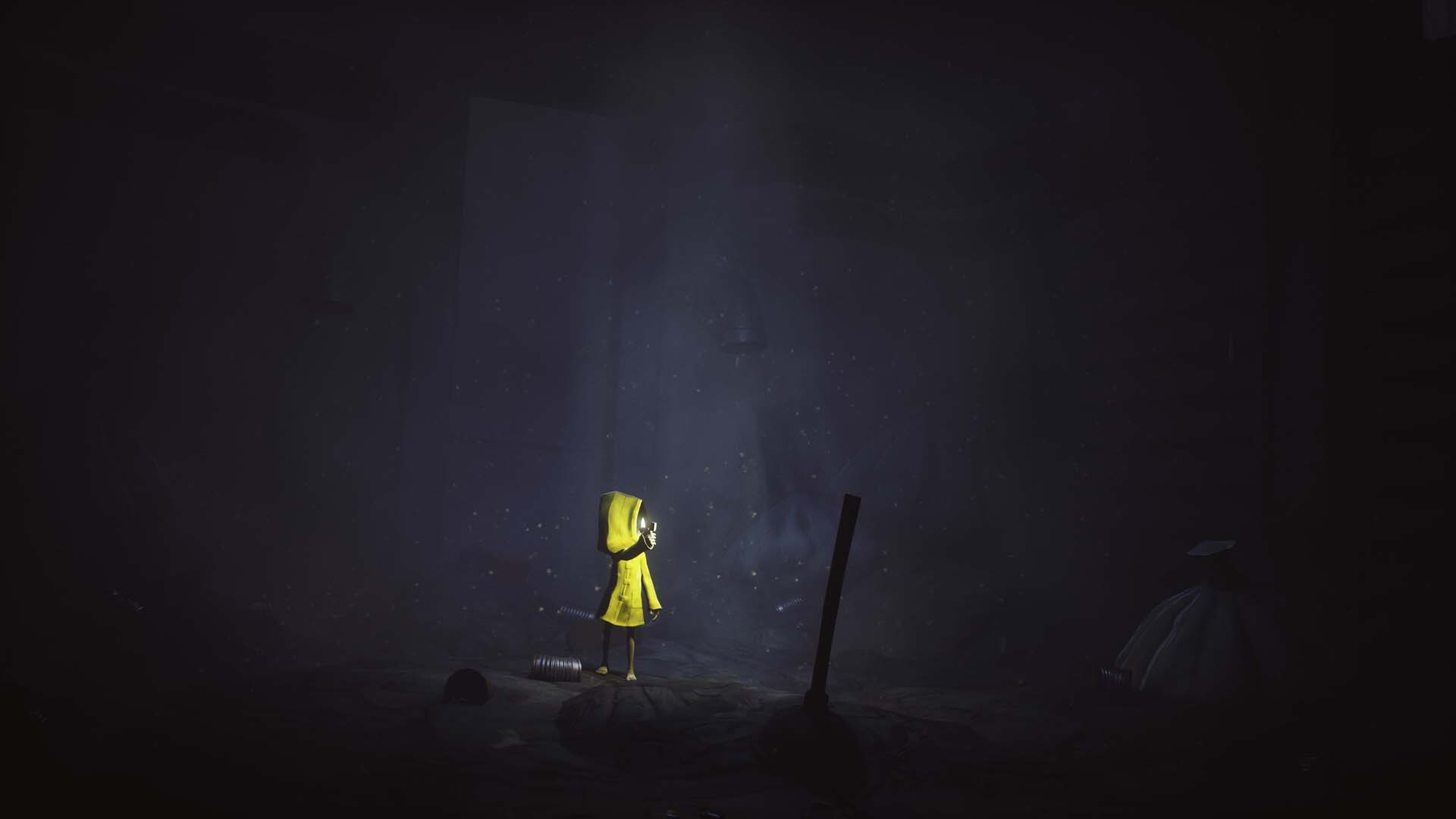
We follow Six, a small child trapped in a place known as The Maw — a gigantic structure inhabited by grotesque, frightening figures. The game never offers easy answers or explains in detail what we're seeing. On the contrary, it prefers to leave room for the player's interpretation, building a narrative almost entirely through the environment, the symbols, and the events we witness along the journey.
It's precisely that ambiguity that makes Little Nightmares so fascinating. Every player ends up creating their own interpretation of the themes it addresses, the meaning of its characters, and the events that unfold before their eyes. Few games can say so much while saying so little — and that's what makes the experience so memorable.
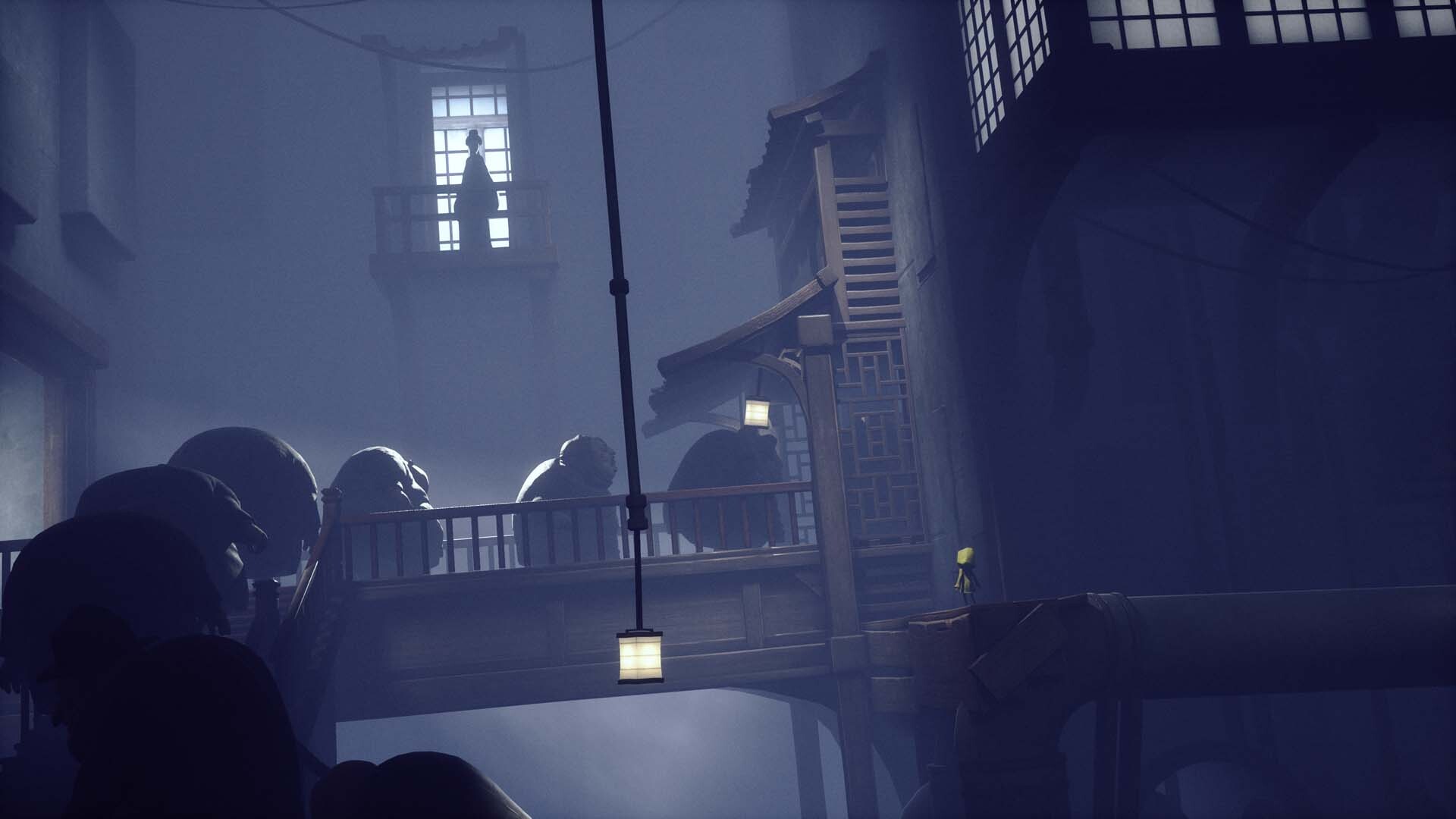
One of the aspects that impressed me most was the artistic design. The world of Little Nightmares is simultaneously beautiful and horrible. There's extraordinary care in the construction of the environments, from dark, damp corridors to gigantic rooms that make Six look even smaller and more vulnerable. Everything contributes to a constant sense of discomfort.
The scale of the environments is used brilliantly to convey fragility. We're only a child in a world dominated by monstrous creatures, and the game makes a point of reminding us of that constantly. Every room feels too big, every door too heavy, and every enemy absurdly threatening.
The art direction bets on a dark, macabre style that mixes elements of fairy tales with psychological horror. The result is a unique visual identity, instantly recognizable and capable of creating images that stay in your memory long after the final credits.
The sound work deserves every bit of praise as well. In fact, much of Little Nightmares' horror is born precisely from sound. Distant creaks, heavy footsteps, unsettling breathing, and strange noises coming from the darkness create an almost constant tension.
Silence also plays a fundamental role. There are moments when the absence of sound is as uncomfortable as its presence, leaving us permanently waiting for something terrible. The score appears subtly, reinforcing specific emotions without ever stealing the spotlight from the oppressive atmosphere that rules the entire adventure.
It's one of those games best played with headphones. The care put into the audio design is impressive and significantly heightens the immersion.
Gameplay-wise, Little Nightmares combines platforming, exploration, puzzles, and stealth in a very balanced way. The game avoids traditional combat, instead choosing to place the player in a position of almost permanent vulnerability.

Rather than facing the monsters, we have to avoid them. Hiding under tables, fleeing down tight corridors, or using the environment to our advantage becomes essential for survival. This approach significantly raises the tension, because we know that in most situations we have no chance of winning a direct confrontation.
The puzzles are another of the experience's strengths. Although the concept seems simple at first glance, several challenges demand observation, logic, and some creativity. I was genuinely surprised by the quality of many of them. Some moments actually forced me to stop, carefully observe the scenery, and think before moving forward.
Fortunately, the game finds a good balance between challenge and progression. The obstacles rarely feel unfair, but they never become excessively easy either. There's always that genuine satisfaction when we finally figure out the solution or escape a particularly intense sequence.
Another aspect worth highlighting is how Little Nightmares manages to convey emotions using practically no words. Fear, loneliness, vulnerability, and even a certain melancholy are present throughout the entire adventure. The bond we end up forming with Six emerges naturally, purely through her actions and the way she reacts to the world around her.
Despite being a relatively short experience, the emotional impact is enormous. Few games manage to build such a consistent atmosphere and maintain such a high level of tension from beginning to end.
In the end, Little Nightmares is much more than a simple horror game. It's an artistic experience that uses image, sound, and design to tell a story open to each player's interpretation. It's one of those titles that stays with you after it's over, leading you to reflect on what you saw and on what really happened.
For anyone looking for a short but memorable adventure, packed with atmosphere, symbolism, and genuinely unsettling moments, Little Nightmares is absolutely essential. And just as it happened with me, there's a good chance you'll finish the game wanting to discuss theories and interpretations for a long time.
out of 10
Pros
| Cons
|
Game Little Nightmares Released 2017 Available on PC · PlayStation 4 · Xbox One · Nintendo Switch Reviewed on Xbox One | 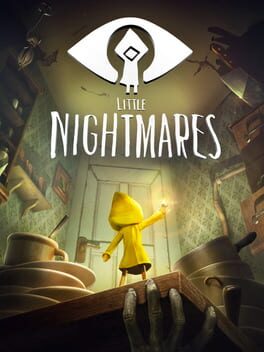 Cover: IGDB |
| PL | Pedro Lopes Writer · Portugal |
A games writer from Portugal running on a highly irresponsible amount of coffee — his blood type is officially "espresso". He has been a content creator at Lisbon Games Week, a jury member at Over & Out ’25 and an attendee of DevGAMM Lisbon 2025 (mostly for the free coffee). He has a Pac-Man tattoo on his finger, which contractually obliges him to chase ghosts forever.