
Some time ago I wrote here about Lost Words: Beyond the Page, a game that marked me deeply for the way it used narrative and art to approach emotional themes in a simple but extremely effective manner. While playing Gris, it was impossible not to draw some comparisons. Both games share that artistic sensibility and that desire to convey emotions through the experience itself. The big difference is that Gris takes that approach even further, dispensing with dialogue almost entirely and choosing instead to tell its story through environments, symbols, and the gameplay mechanics themselves.
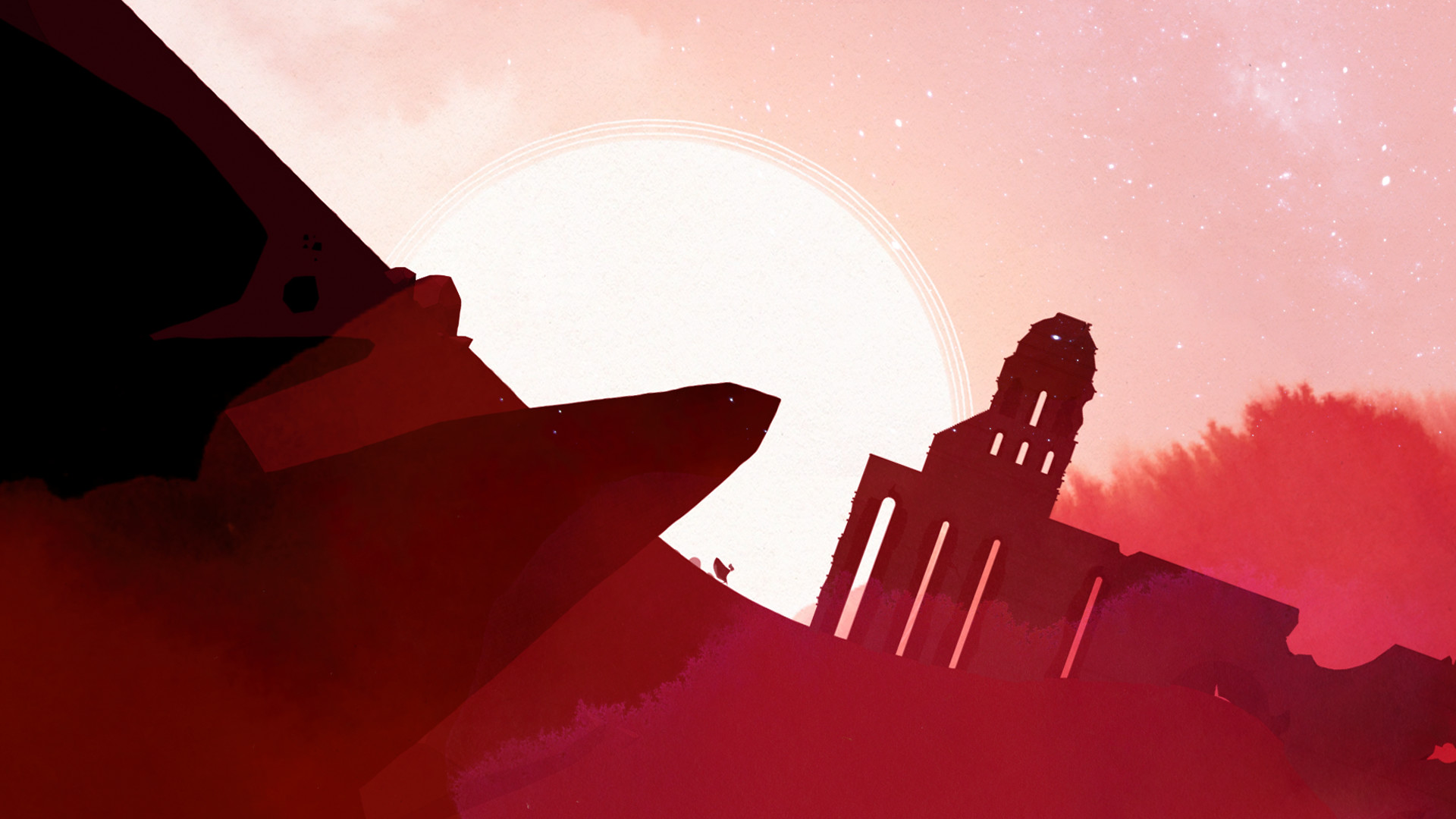
From the very first moments, it becomes clear that we're facing an experience that seeks to communicate through emotions rather than words. The protagonist's journey works as a powerful metaphor for loss, grief, and the process of healing. Each new area explored seems to represent a different stage of that emotional voyage, allowing every player to interpret events in their own way. It's precisely that ambiguity that makes the narrative so interesting — although there's a clear message behind everything, there's enough space for each person to take something different from the experience.
Visually, Gris is simply stunning. It's one of those games where I frequently caught myself stopping just to admire the world around me. Every environment looks like a painting in motion, carefully constructed to convey specific emotions through colors, shapes, and animation. The world's visual evolution also mirrors the protagonist's own evolution, creating a constant link between the artistic component and the narrative.
The soundtrack plays an equally important role. The compositions accompany every moment of the adventure almost perfectly, helping create a simultaneous sense of melancholy, hope, and serenity. There's something almost meditative about the way image and sound work together. Even when the game approaches painful themes, there's always a quiet beauty accompanying us along the entire journey. In many moments, Gris feels more like an interactive poem than a traditional video game.
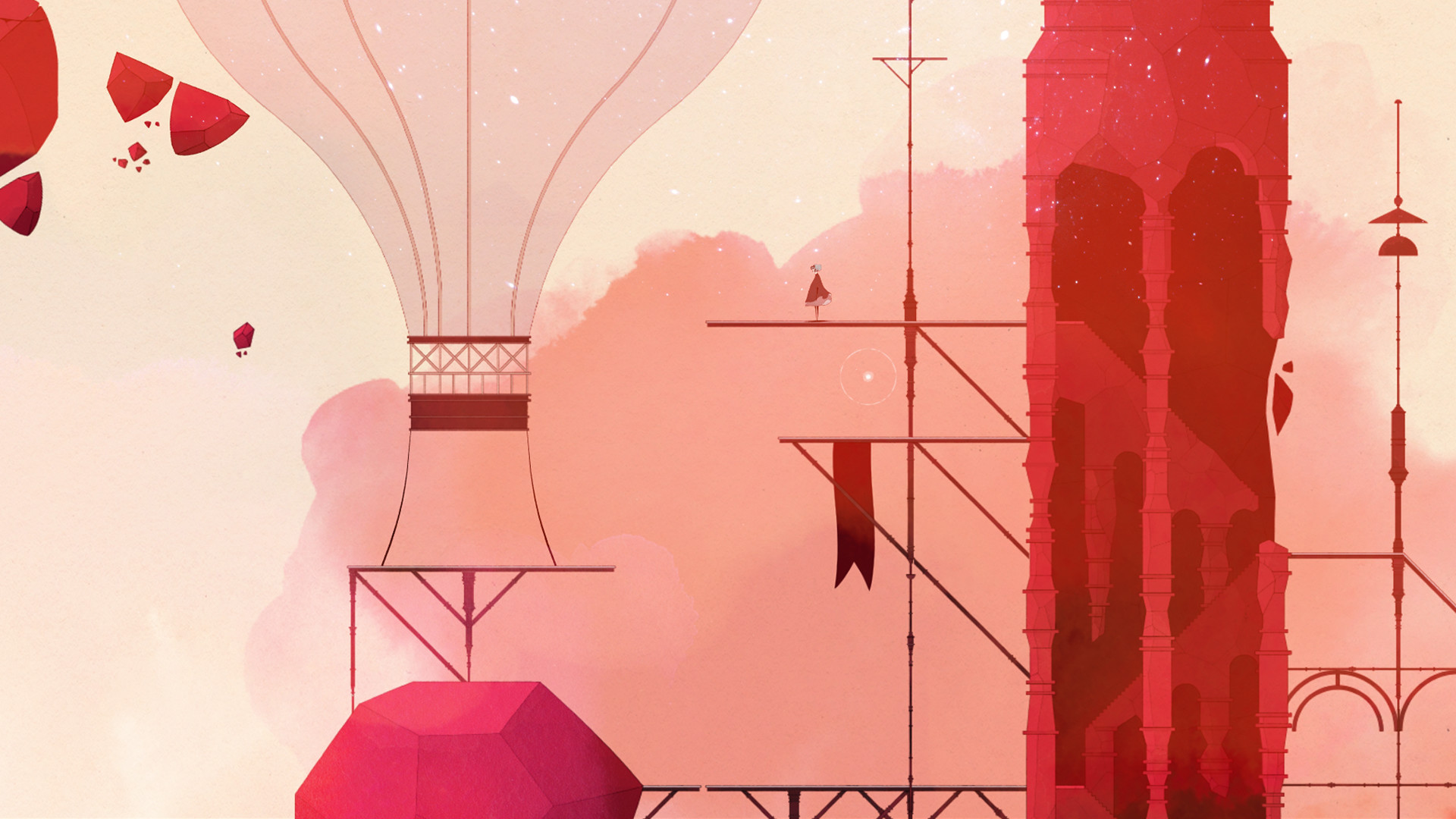
When it comes to gameplay, we're looking at a solid, very polished experience. The platforming mechanics and small puzzles work well and offer enough variety to keep progression interesting. That said, this isn't where the game seeks to stand out. Those looking for major innovations or particularly demanding challenges may not find what they want. However, that decision feels entirely deliberate. The gameplay exists primarily to serve the narrative and the art direction, letting the player focus on the atmosphere and the emotions the game wants to convey.
I confess that before playing Gris I wasn't familiar with Nomada Studio's work, but this experience left me extremely curious about their future projects. There's a very distinct artistic identity present in this game — something that isn't always easy to find in an industry increasingly focused on safe, familiar formulas.
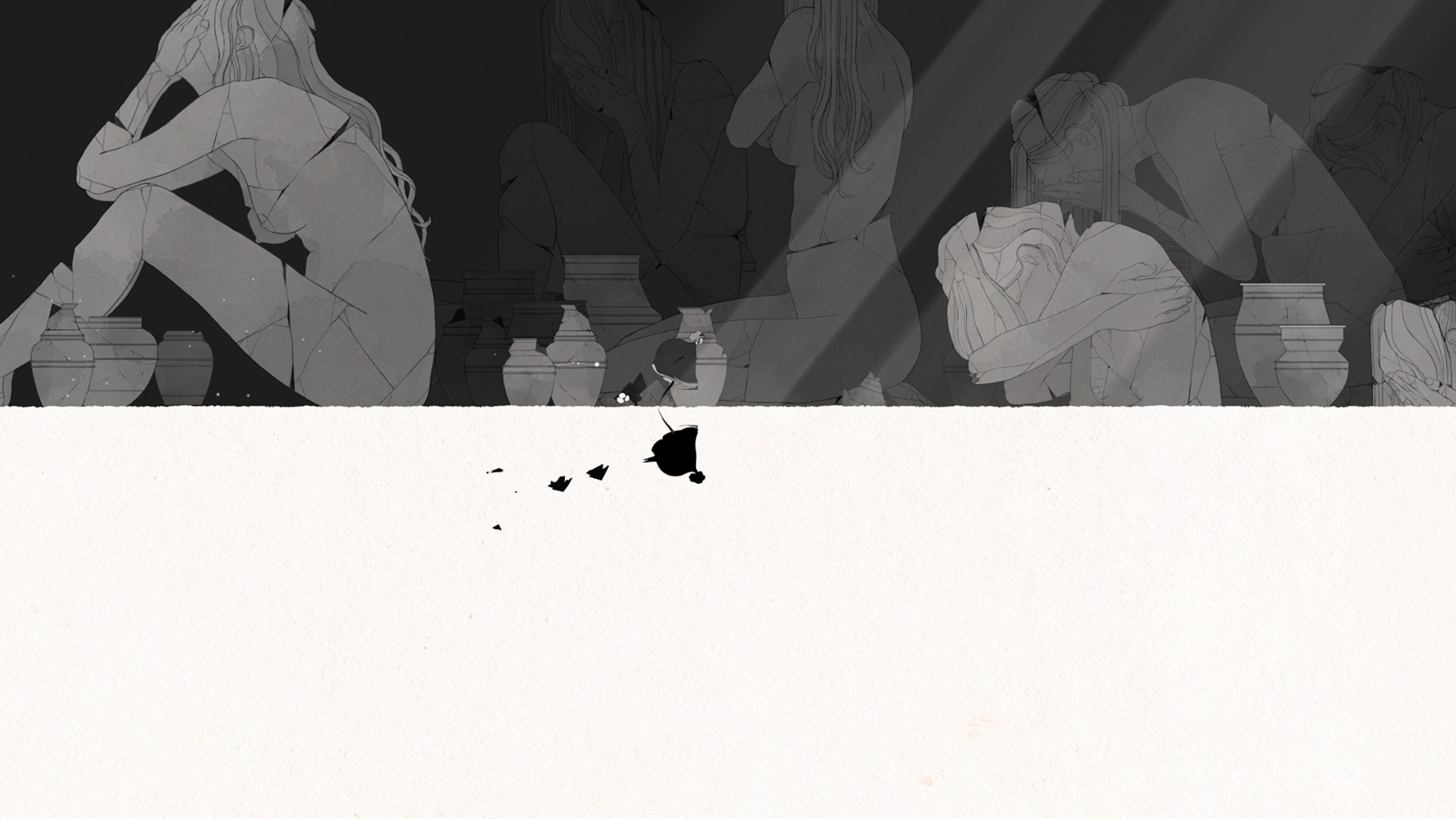
Gris is a relatively short experience, but one that manages to leave a lasting mark. It's a game that doesn't depend on elaborate dialogue or complex narratives to move you. Through its art, its music, and the way it uses player interaction, it manages to convey universal feelings in an elegant, memorable way. A delicate, beautiful, and deeply human work that demonstrates how video games can communicate emotions in ways few other mediums can reach.
out of 10
Pros
| Cons
|
Game Gris Released 2018 Available on PC · macOS · PlayStation 4 · PlayStation 5 · Xbox One · Xbox Series X|S · Nintendo Switch · iOS · Android Reviewed on Xbox Series X|S | 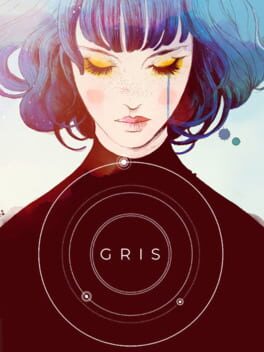 Cover: IGDB |
| PL | Pedro Lopes Writer · Portugal |
A games writer from Portugal running on a highly irresponsible amount of coffee — his blood type is officially "espresso". He has been a content creator at Lisbon Games Week, a jury member at Over & Out ’25 and an attendee of DevGAMM Lisbon 2025 (mostly for the free coffee). He has a Pac-Man tattoo on his finger, which contractually obliges him to chase ghosts forever.